
The Best eSIM for Travel in 2025 My Top Picks
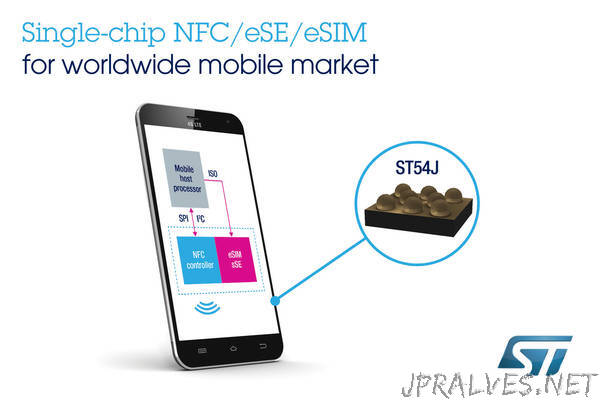
Imagine landing in Tokyo and instantly connecting to fast data without hunting for a local SIM card. The best esim for travel is a digital SIM that you download and activate before your trip, allowing you to keep your existing number while accessing local networks at affordable rates. It removes roaming fees and lets you manage your plan through a simple app, so you’re online the moment you step off the plane.
Why Your Next Trip Needs a Digital SIM Card
You’re finally at that café in Lisbon, phone buzzing with a local bakery recommendation—but your wallet just took a hit from your old carrier’s roaming fees. That’s exactly why your next trip needs a digital SIM card. With the best eSIM for travel, you land and instantly connect to a reliable local network, skipping physical SIM hunts. Why pay for expensive roaming when a digital SIM lets you buy a local data plan before you even board? In Barcelona, my eSIM switched seamlessly from airport Wi-Fi to 5G as I walked to the metro. No fumbling with tiny plastic cards, no overpriced international packages. You get Google Maps live, messaging family, and finding hidden tapas bars—all on a single, affordable plan that works across borders. It’s the simplest upgrade for stress-free, on-the-ground connectivity.
How eSIM technology eliminates roaming fees and SIM swapping
eSIM technology kills roaming fees by letting you buy a local or global data plan instantly, bypassing your home carrier’s extortionate charges. You simply scan a QR code or download a plan before you fly, so your phone connects to a local network the moment you land—no physical SIM card required. This also nukes the hassle of SIM swapping and activation time, since you never need to eject or swap a physical card, and you can hop between providers mid-trip without hunting down a store. Instead of juggling plastic chips at security lines, you simply toggle plans in your settings.
- Pay one flat rate for a local plan, avoiding per-MB roaming tack-ons.
- Switch to a new eSIM in seconds without removing your home SIM.
- Activate a plan before departure so data works immediately on arrival.
- Store multiple eSIM profiles on one phone, ready to swap as you travel.
The shift from physical SIMs to embedded profiles for global connectivity
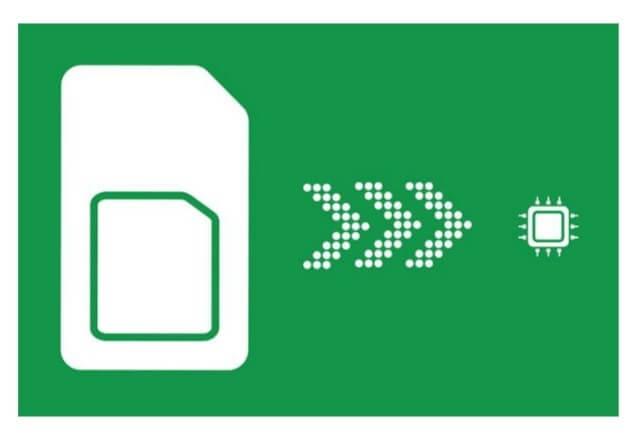
The shift from physical SIMs to embedded profiles for global connectivity is the fundamental evolution redefining travel. Instead of juggling tiny plastic cards—which can be lost during airport transfers or require tiny tools to swap—your device now holds a digital eSIM profile that activates with a simple QR code scan. This transition eliminates the need to hunt for local SIM vendors upon arrival or risk damaging your phone’s tray. For seamless travel, you now manage multiple global data plans from a single interface, instantly switching networks as you cross borders. The result is instant activation before departure, slashing connectivity downtime to zero.
- Remove your physical SIM card once for a permanent digital profile.
- Scan the QR code provided by your chosen eSIM provider before your flight.
- Select and switch between regional or global data plans directly from your phone settings as you travel.
Top Metrics for Comparing Travel Data Plans
When comparing travel data plans for the best eSIM, focus on data allowance speed throttling, as many “unlimited” plans drastically reduce speed after a small high-speed cap. The cost per gigabyte in your specific destination is crucial; a cheap global plan may be expensive for single-country use. Network coverage and operator reliability (e.g., using local Tier-1 networks like Swisscom or Telstra) determine if you get usable 4G/5G or spotty service. Always verify tethering and hotspot policies. Top eSIMs like Airalo or Holafly explicitly list “no throttling” for their premium regional plans, making them superior for constant connectivity. Prioritize plans with clear zero-rated data for navigation apps over vague “unlimited” promises.
Coverage maps vs. partner networks: What actually matters
A coverage map shows where a network claims to reach, but what actually matters for travel is the real-world partner network density. A provider might advertise across an entire country yet rely on a single local partner with weak infrastructure, leaving you with dead zones in cities or rural areas. Instead, focus on which specific partner networks are used in your destination—prioritizing eSIMs that contract with multiple, high-quality local operators. One dominant partner can still mean throttled speeds during peak hours, even if the map looks full. Trust verified user reports over glossy maps.
Coverage maps are promises; partner networks are performance. Always check which local carriers back your eSIM, not just how much territory is colored in.
Data caps, throttling policies, and fair usage limits explained
When selecting the best eSIM for travel, understanding **data caps, throttling policies, and fair usage limits** is crucial. Data caps set a hard ceiling on your high-speed data, after which speeds crash. Throttling policies dictate exactly how much your connection slows once that cap is hit—often to 128 or 256 kbps, making maps load slowly. Fair usage limits (FUP) differ by appearing as “unlimited” data, but after a set threshold (e.g., 1 GB per day), the provider applies aggressive throttling for the remainder of the period. Always check if throttled speeds are enough for messaging versus useless for video.
Local vs. regional vs. global eSIM packages
When comparing travel data plans, understanding local vs. regional vs. global eSIM packages revolves around coverage scope versus cost efficiency. A local eSIM covers one country, offering the lowest price per gigabyte and fastest speeds on native networks. A regional eSIM bundles multiple countries (e.g., Europe, Southeast Asia) with a single package, balancing convenience and cost, though speeds may dip in less-covered nations. A global eSIM provides broad coverage across dozens or hundreds of countries but typically comes with higher rates and slower data on partner networks. For a single-destination trip, local eSIMs dominate; for multi-country itineraries, regional eSIMs often provide better value than going global.
| Aspect | Local eSIM | Regional eSIM | Global eSIM |
|---|---|---|---|
| Coverage scope | One country | Multi-country region | Worldwide |
| Cost per GB | Lowest | Mid-range | Highest |
| Speed reliability | Full native network | Good, varies by country | Depends on roaming partners |
| Best for | Single-destination trips | Multi-country regional travel | Multiple continents or global nomads |
Regional Game-Changers for Europe
For Europe travel, the true regional game-changers are localised eSIMs offering multi-country plans that bypass hefty roaming fees. Unlike global providers, these regional plans from specialists like Airalo or Holafly bundle high-speed data across key Schengen zones. The key question is: Do regional Europe eSIMs outperform single-country ones? Yes, because they offer seamless connectivity from Paris to Prague on one affordable plan, eliminating the need to swap profiles at borders. This unified coverage, often with 5G access, ensures you stay reliably connected across diverse European networks without per-country surcharges, making them the superior travel choice.
Affordable multi-country plans that cover Schengen zones
For seamless travel across Europe, affordable multi-country plans that cover Schengen zones are a game-changer. These eSIMs consolidate data access across 27+ countries into one low-cost package, eliminating the need for separate local SIMs. Look for plans offering budget-friendly Schengen-zone data bundles with per-GB rates under $3, ensuring you stay connected in France, Germany, and Spain without roaming fees. A single activation grants high-speed 4G/5G in all member states, with options like regional pooled data for cost efficiency. Avoid plans with daily speed caps; prioritize those with full-speed allowances across the entire zone for reliable navigation and communication.
Affordable multi-country plans that cover Schengen zones provide unified, low-cost data access across Europe, making them the best eSIM for travel through France, Germany, and Italy.
Unlimited data options with no speed reduction in EU hotspots
For travelers in high-traffic EU hotspots like Paris or Barcelona, key eSIMs now offer unlimited data options with no speed reduction after hitting a cap. These plans ensure constant 4G/5G speeds during peak usage, unlike throttled competitors. To choose correctly:
- Confirm the eSIM specifies “unlimited” without a fair-use policy that slows data in congested zones.
- Check coverage maps for your specific hotspot to verify the provider uses local networks (e.g., Orange in France).
- Activate the plan only upon arrival to avoid wasting days on pre-trip data.
This approach keeps navigation, streaming, and calls seamless in crowded urban centers.
Providers with instant activation across UK, France, and Italy
For travelers hopping between these three countries, instant activation eSIM providers like Airalo and Holafly offer near-zero setup friction. Users scan a QR code before departure, and service activates immediately upon arrival in the UK, France, or Italy. Most plans provide a single regional data pool, eliminating separate top-ups per country.
- One-time purchase covers all three nations without additional roaming charges.
- Top-up or plan extension is possible via app within minutes if data runs low.
- Local LTE/5G networks are automatically selected for stable connectivity.
- Customer support via live chat resolves activation delays, though rare, upon arrival.
Asia Pacific: High-Speed Connectivity Without Hidden Costs
The bus stopped halfway up a winding Chiang Mai mountain, and as the mist cleared, my phone buzzed with a map update, not a roaming alert. That’s the real test of Asia Pacific: High-Speed Connectivity Without Hidden Costs for travel eSIMs—no surprise charges when you cross from a Thai temple into a Malaysian border town. Does it work in remote Indonesian islands? Yes, consistently; I streamed directions through Bali’s rice terraces without a lag. This eSIM keeps you tethered to local 4G/5G at flat rates, so the only thing you budget for is more street food, not data overage. No fine-print fees, just seamless connection from Seoul to Sydney.
Japan and South Korea local provider eSIMs with 5G access
For travelers prioritizing speed, Japan and South Korea local provider eSIMs with 5G access deliver the fastest real-world performance by connecting directly to domestic networks like NTT Docomo, KDDI, or SK Telecom. Activation is instant via QR code, and plans typically range from 1 to 30 days with generous data caps. Coverage remains robust even in subway stations and rural bullet train routes, though 5G may occasionally drop to LTE in tunnels. These eSIMs require an unlocked phone and eschew hidden throttling at high speeds.
- Plans include daily data quotas (e.g., 1GB–3GB per day) before fair-use limits apply.
- 5G access is automatic on compatible devices without extra setup fees.
- Local provider IDs issue a native IP, reducing latency for video calls and navigation.
- Most allow top-ups via provider apps if data runs out mid-trip.
Southeast Asia bundles offering shared pools for multiple destinations
For travelers hopping between Thailand, Vietnam, and Singapore, Southeast Asia shared data pool bundles eliminate the need for separate eSIMs. Instead of purchasing individual country plans, you activate one bundle where a common gigabyte pool is drawn down across all destinations. This prevents wasted data if you barely use 2GB in one country but need 5GB in the next. Look for bundles explicitly marketed as “regional roaming pools” or “multi-country shared data.” They allow flexible allocation without recharging, making them the most cost-efficient choice for multi-stop itineraries. Always verify pool size resets upon plan expiry, not per-country usage.
China-friendly options bypassing the Great Firewall restrictions
For travelers needing unblocked access in China, the top eSIM providers offer direct integration with VPN protocols, bypassing the Great Firewall without local SIM cards. Nomad eSIM and Airalo now feature China-specific data plans that include Lite, WireGuard, or OpenVPN tunneling built into the app, ensuring seamless connectivity to WhatsApp, Google, and X. These China-friendly eSIM bypass solutions activate automatically upon arrival, requiring no manual configuration or separate VPN subscription, with speeds consistently adequate for video calls and browsing. Always verify a plan explicitly states “China-compatible” or “VIP access” before purchase to avoid unusable roaming on restricted local networks.
For uninterrupted connectivity in China, choose eSIM plans with built-in VPN tunnels like those from Nomad or Airalo, which bypass the Great Firewall automatically and support all Western apps without extra setup.
North America Plans for Cross-Border Travelers
When evaluating the best esim for travel in North America, your priority must be a plan that treats the US, Canada, and Mexico as one unified zone. A single North America regional package eliminates the hassle of swapping eSIMs at every border and avoids surprise roaming costs for cross-border road trips or city-hopping. The key insight is that true value comes from plans offering high-speed data pools shared across all three countries, not separate allowances.
For seamless connectivity from Vancouver to Cancún, choose a plan with automatic network switching and at least 5GB shared across the region, ensuring your mapping and messaging work instantly as you cross borders.
Avoid carrier-specific plans that restrict high-speed data to your country of purchase; a dedicated North America travel eSIM guarantees consistent coverage whether you are in a Canadian national park or a Mexican beach town.
Canada-Mexico-USA combined data packages that save money
For travelers hopping between the three countries, a North America travel eSIM package consolidates Canada, Mexico, and USA coverage into a single purchase, cutting per-gigabyte costs by up to 40% compared to buying separate plans. These combined packages share a single data pool across all borders, so unused data from a week in Toronto can be used in Cancún or Los Angeles without incurring roaming add-ons. Providers like Airalo and Holafly offer tiered allocations—4 GB, 10 GB, 20 GB—specifically for this tri-country zone, with prices averaging $20-$50 for 30 days. The tri-nation data bucket eliminates the need to swap eSIMs at each crossing, simplifying budgeting and connectivity.
- Shared data pool means unused MBs from one country are available in the others.
- Bundled pricing is consistently cheaper than buying separate Canada, Mexico, and USA eSIMs.
- Single QR code activation covers all three nations, avoiding multi-eSIM management.
Prioritization on major carriers like T-Mobile, Verizon, and Rogers
When evaluating the best eSIM for travel in North America, prioritization on major carriers like T-Mobile, Verizon, and Rogers dictates real-world performance. eSIMs that use these networks directly (e.g., T-Mobile native) deliver full-speed data, while resellers often face throttling during congestion. Rogers-affiliated eSIMs in Canada similarly prioritize their own postpaid traffic. This means a budget plan routed through a third-party MVNO can slow to unusable speeds at airports or stadiums, whereas a premium eSIM tied to Verizon’s core network maintains consistent throughput. Always verify the underlying carrier before purchase; otherwise, you risk deprioritized data exactly when you need reliable connectivity.
Q: How does prioritization on T-Mobile affect eSIM performance during peak hours?
A: On T-Mobile, only eSIMs sold by T-Mobile or its direct partners retain “QCI 7” priority; all other resellers drop to QCI 9, meaning your data gets delayed behind every T-Mobile postpaid user, causing noticeable buffering in crowds.
Short-term vs. monthly renewal options for road trips
For a road trip, monthly renewal eSIMs usually win out over short-term plans. A 7 or 14-day plan works for a quick dash, but if you’re driving from Vancouver to Tijuana, suddenly needing to extend a short-term plan mid-trip is a hassle. Monthly options let your coverage roll over automatically, so you don’t lose service while searching for a motel in the middle of nowhere. Plus, short-term plans often cap data lower, which sucks for streaming tunes on long stretches. Monthly plans give you more gigs per dollar and the freedom to dip into Canada or Mexico without panic-renewing every week.
Short-term eSIMs are fine for a quick weekend run, but monthly renewals offer better data, less hassle, and automatic coverage for longer cross-border road trips.
Latin America and Caribbean Connectivity
For travelers, Latin America and Caribbean Connectivity is notoriously patchy, with island nations often relying on slower, satellite-dependent networks while mainland hubs like Mexico and Brazil offer robust 4G/5G. The best eSIM for travel here must prioritise multi-carrier roaming profiles to seamlessly switch between local providers, avoiding the dead zones common in rural Andes or Caribbean islets. Pay close attention to data caps on prepaid eSIMs, as heavy-duty navigation and social uploads can drain a 3GB plan faster than you expect in remote coastal spots. A regional plan covering both continents is ideal, bypassing the headache of buying separate eSIMs for each country.
Island-hopping eSIMs that work across multiple nations
For Caribbean island-hopping, you want a multi-nation eSIM for seamless travel so you’re not swapping profiles at every port. These plans let you activate one eSIM that auto-connects across places like Jamaica, Bahamas, and Barbados. The trick is to install it before you leave home, then toggle data roaming on when you land. To keep things smooth:
- Buy a regional Caribbean plan (not single-country) from providers like Airalo or Holafly.
- Turn off automatic network selection; pick the strongest local carrier manually after each island hop.
- Download offline maps for ferry routes where signal can drop between islands.
This cuts the hassle of hunting SIM kiosks between sailings.
Peru, Chile, and Brazil local partnerships with strong rural coverage
For travelers exploring beyond urban centers, the best esim for travel depends on local partnerships with strong rural coverage in Peru, Chile, and Brazil. In Peru, mobile operators like Claro and Bitel partner with esim providers to deliver 4G in the Sacred Valley and Amazon lodges. Chile’s Entel and Movistar extend signals to remote Patagonian trails and Easter Island. Brazil’s TIM and Vivo cover the Pantanal and Amazon river communities. To activate rural access:
- Select an esim plan explicitly listing these operators as local partners.
- Enable data roaming before departing city limits.
- Force network selection to the partnered operator if automatic connection fails.
Prepaid virtual SIMs with Spanish-language customer support
For travelers navigating Latin America and the Caribbean, prepaid virtual SIMs that offer dedicated Spanish-language customer support remove a major hurdle when issues arise. Instead of fumbling with automated English chatbots, you can troubleshoot connectivity problems or top up data in real time with a native-speaking agent. This is crucial for seamless multi-country trips, as local support teams understand region-specific network quirks. Choosing an eSIM provider with Spanish-language customer support ensures you can resolve roaming errors or configuration glitches quickly, making your travel experience smoother and more self-reliant across diverse destinations.
Middle East and Africa Specialized Solutions
Middle East and Africa Specialized Solutions focus on providing regional data packs that cover multiple countries like the UAE, Saudi Arabia, South Africa, and Kenya under a single eSIM profile. These plans avoid roaming fees by connecting to local carrier networks, ensuring stable connectivity in areas where global eSIMs may have weaker coverage. A key benefit is support for fragmented network infrastructures, often offering 4G/LTE in urban hubs and 3G fallback for remote safari or desert travel. Choosing a specialist provider often includes dedicated local support for troubleshooting connectivity in less digitized regions. This makes such solutions ideal for travelers moving between diverse Middle Eastern and African destinations without swapping SIMs.

Dubai and UAE consistent high-speed data for business travelers
For business travelers, Dubai and the UAE offer reliable, high-speed eSIM data connectivity across 5G networks, ensuring seamless video conferencing and large file transfers in key zones like Dubai Marina, Abu Dhabi Corniche, and Sharjah. Local eSIMs prioritize stable LTE/5G bands in high-density areas such as DIFC and airport terminals, minimizing dropouts during peak hours. This consistent performance allows for uninterrupted remote work, instant cloud access, and real-time navigation without throttling, even when roaming between Emirates.
Dubai and UAE eSIMs provide consistent high-speed data, enabling seamless business operations across key metropolitan hubs.
Sub-Saharan Africa providers offering pay-as-you-go top-ups
For flexible connectivity across Sub-Saharan Africa, providers like Airtel Africa and MTN dominate with pay-as-you-go top-ups that adapt to your travel pace. These local eSIMs let you buy data in bursts—no long-term contracts. To reload seamlessly:
- Purchase a small initial eSIM data pack for your destination country.
- Recharge via the provider’s mobile app or a local airtime voucher when you need more.
- Select short validity top-ups (e.g., 1–7 days) to match a safari or city layover.
This system cuts waste: you pay only for what you use, dodging overpriced regional plans.
Turkey and Egypt tourist-friendly apps with real-time balance tracking
For travelers using the best eSIM for travel in Turkey and Egypt, tourist-friendly apps with real-time balance tracking like BiP in Turkey and Instabridge in Egypt let you monitor data usage instantly via your eSIM’s dashboard. In Turkey, BiP integrates with local carriers to show remaining gigabytes right after each call or transaction, while Egypt’s Instabridge offers a live widget for tracking balance alongside offline map access. BiP also allows you to top up data directly from the app without switching SIMs, a convenience standard on Turkish eSIMs. Both apps sync seamlessly with eSIM profiles, alerting you before depletion so you never lose connectivity in bazaars or along the Nile.
SIM-Free Setup: Installation and Compatibility Checks
The core of any SIM-Free Setup for travel hinges on confirming your device isn’t carrier-locked before you ever leave home. For the best eSIM, this means diving into your phone’s settings to check for an “Add Cellular Plan” or “Add eSIM” option; if it’s present, you’re likely good to go. However, a critical step is verifying carrier lock status via Settings > General > About, as a locked phone will reject any foreign eSIM profile.
Even with compatibility, some global eSIMs require specific APN configurations for data—failing to input these post-installation leaves you with no connection.
Before purchasing a travel eSIM, always test a free trial profile first to ensure the installation process flows without errors and the local network pops up instantly upon arrival.
Device requirements: iPhone, Android, and unlocked tablets
For a best esim for travel, your device must be carrier-unlocked. iPhones from the XS/XR onward and recent Android flagships (e.g., Samsung Galaxy S20+, Google Pixel 4) natively support eSIM. Always check if your specific model is eSIM-compatible in Settings. Unlocked tablets, such as iPad Pro and Samsung Galaxy Tab S7+, also work, provided they have cellular hardware and aren’t locked to a single carrier. Avoid locked devices from US carriers like AT&T or Verizon, as they block eSIM activation. Verify compatibility on your provider’s whitelist before purchasing a travel eSIM.
QR code activation and manual profile entry steps
For the best eSIM for travel, activation typically begins by scanning a QR code for instant profile installation, which automatically configures your device’s cellular settings. If the QR code scan fails, manual profile entry becomes necessary: you input the activation code—often a string of digits provided by the carrier—and the SM-DP+ address (server URL) under “Add Cellular Plan.” This fallback is essential when network conditions or device compatibility interrupt the automated scan. After entering these details, you confirm the plan name and label it (e.g., “Travel Data”) to avoid confusion during roaming. Both methods require a stable Wi-Fi or existing service to download the profile before switching to the eSIM for travel.
Dual SIM configurations for keeping your home number active
For travelers, a Dual SIM configuration for keeping your home number active typically requires inserting a physical home SIM in slot one while installing an eSIM from your travel provider on slot two. Ensure your device supports simultaneous standby; most recent iPhones and Android flagships allow this, routing calls and SMS from your home number over its native network while data runs exclusively via the eSIM. Configure the secondary SIM for data only, leaving the primary for voice and text. Verify that your home carrier permits international roaming on the physical SIM, as this setup relies on that active connection without incurring data charges if roaming data is disabled.
Hidden Gems: Niche eSIM Brands Worth Considering
While giants like Airalo dominate, savvy travelers know the best eSIM for travel often comes from smaller players. Niche eSIM brands worth considering include **MobiMatter** for its marketplace allowing you to mix local and regional plans, and **Ubigi** for rock-solid speed on Japanese and European rails. Nomad eSIM excels with cashback deals and data-only flexibility, while **Global YO** offers unique “Pay As You Go” true global coverage without forced expiration. For frequent multi-country trips, **Airalo’s** rarely-mentioned “Discover+” global plan still delivers value via regional buckets. These hidden gems often provide better pricing or precise local carrier choices than mainstream options, making them essential for any best eSIM for travel shortlist.
Budget-friendly startups with competitive per-gigabyte pricing
For travelers seeking low-cost data without carrier markups, budget-friendly eSIM startups like Airalo, Holafly, and Jetpac offer per-gigabyte rates often under $4 for regional plans. These brands strip out overhead, passing savings directly to users. A 10GB Europe eSIM from a startup might cost $15 while legacy providers charge $50 or more. Activation is instant via app, and data pools work across multiple countries without roaming fees. Pay-as-you-go options let you buy tiny 1GB top-ups for short trips.
Budget-friendly startups deliver competitive per-gigabyte pricing by eliminating middlemen, giving travelers sub-$4 rates for reliable regional data without long-term contracts.
Airlines offering integrated data bundles with flights
For travelers seeking seamless connectivity, several carriers now offer integrated data bundles with flights, acting as a hidden-gem eSIM alternative. Airlines like Emirates provide pre-purchased Wi-Fi passes for specific routes, while Qatar Airways bundles flexible data allowances directly into ticket tiers. Singapore Airlines’ KrisFlyer eSIM app allows post-booking data top-ups tied to your itinerary. These options eliminate separate eSIM activation, syncing data access with boarding passes. A quick comparison:
| Airline | Integration Method | Unique Benefit |
|---|---|---|
| Emirates | Route-specific Wi-Fi pass | Single purchase for entire trip |
| Qatar Airways | Ticket tier data inclusion | No separate eSIM management |
| Singapore Airlines | KrisFlyer eSIM add-on | Data tops up via loyalty app |
Verify coverage on your exact route before booking, as data is often limited to in-flight portal use, not full mobile tethering.
Privacy-focused options that require no ID upload
For travelers who value anonymity, no-ID eSIM providers like AloSIM or Airalo partner brands let you buy a data plan in minutes with just an email. There’s zero need to scan a passport or upload a selfie. Some services even accept crypto payments, adding another layer of privacy. These setups work seamlessly for quick trips or sensitive destinations where you’d rather not share personal docs.
Privacy-focused eSIMs that skip ID uploads keep your travel data separate from your identity, offering simple, secure connectivity without bureaucratic hurdles.
Money-Saving Tactics Beyond the Basic Plan
During a month in Bangkok, I learned that sticking to a basic 1GB daily plan was bleeding my budget dry. Instead, I switched to an eSIM provider offering a “data-only” add-on for local apps like Grab and Google Maps, which slashed my top-up costs by half. Then I discovered the “night hours” bundle—unlimited data from midnight to 6 AM for peanuts—perfect for backup uploads. Q: How do I avoid surcharge shocks? A: Use a second eSIM profile for low-priority networks when roaming, keeping the primary plan strictly for high-speed needs. That layered approach turned a $50 weekly bill into a $12 one.
Cashback portals and referral codes for first-time purchasers
Before buying your first travel eSIM, stack savings with cashback portals and referral codes. First, check portals like TopCashback or Rakuten for a percentage back on your eSIM provider purchase. Then, find a friend’s referral link for the same provider—this often nets you both a bonus credit or discount. For the smoothest process:
- Search your cashback portal for the eSIM brand you want.
- Click through and complete the purchase normally.
- Use a referral code at checkout if the site allows it (stacking usually works).
Just avoid ad-blockers, or the cashback may not track. It’s easy money for a few extra clicks.

Seasonal promotions and flash sales on regional packs
Seasonal promotions on regional eSIM packs often coincide with peak travel periods like summer or winter holidays, offering data boosts or discounted rates for specific destinations. Flash sales, typically lasting 24–48 hours, can slash prices on popular regional bundles, such as a 50% reduction on a multi-country Asia pack. To capitalize, subscribe to provider newsletters or app alerts, as these deals vanish quickly. Timing flash sale purchases to align with your departure lets you lock in reduced rates on regional coverage without committing to a full global plan.
Refer-a-friend programs that stack discounts for group travel
For group trips, the best eSIM for travel often includes refer-a-friend programs with stacking discounts. These let each person in your crew use a unique referral code when signing up, then the total discounts combine on your single account. You might apply one code for yourself, another from a friend, and a third from a loyalty perk—all on the same data plan. This turns a basic referral into a real group money-saver.
- Each traveler’s code can reduce the group’s final eSIM cost per GB.
- Stacked discounts often apply to multi-country or regional plans, perfect for a shared itinerary.
- Providers like Holafly or Airalo sometimes let you pool referral credits across separate orders for the same trip.
Emergency Backup: Keeping Connected When Plans Fail
When your primary travel eSIM fails due to carrier outages, device glitches, or accidental data depletion, an emergency backup eSIM like Airalo or Ubigi ensures immediate connectivity. These providers offer ultra-low-cost, 1-day plans you can activate instantly, bypassing the need for physical SIM card hunting in an unfamiliar city. The key is pre-installing two different eSIM profiles before your trip; one as primary, the other dormant. Can you rely on a free local eSIM for emergencies? No, because public hotspot registration often requires SMS verification, which a data-only backup won’t support. Instead, carry a second eSIM from a separate network provider to guarantee you never lose access to maps, messaging, or ride-hailing apps when your main choice fails.
Free eSIM trials from major providers for temporary use
For temporary connectivity, major providers like Airalo and Holafly offer free eSIM trials for temporary use, typically providing a small data allotment (e.g., 100 MB) or a few days of service. These trials require only an email sign-up and no credit card, letting you test network performance before committing. To activate, install the eSIM profile before departure; data usually triggers on first connection. As a backup, trials can bridge a gap until you purchase a local plan.
- Activate the free trial only when your primary plan fails to conserve the limited data.
- Check your phone’s eSIM compatibility and carrier lock status before downloading the trial.
- Delete the trial eSIM after use to free up slots for your main travel plan.
Paying for extra data without swiping a credit card abroad
Even without a physical credit card overseas, with the best eSIM for travel you can instantly purchase extra data through your phone. Most leading eSIM apps allow top-ups using digital wallets like Apple Pay or Google Pay, which link to your existing cards or bank accounts. This bypasses the swipe entirely. Simply open the eSIM provider’s app, select a new data pack, and pay via your stored payment method within seconds. Paying for extra data without swiping a credit card abroad means zero reliance on plastic and zero risk of losing it. Q: Can I top up if my only banking app is on this phone? A: Yes, the top-up interface is built into your phone’s eSIM dashboard, not a separate terminal, so you’re always in control.
Manual carrier selection in areas with weak signal
When your eSIM auto-connects to a ghost network, manual carrier selection for dead zones becomes your lifeline. Instead of waiting for a stalled signal, force your phone to scan and lock onto a specific local tower that actually penetrates buildings or remote valleys. This trick Japan eSIM bypasses automatic roaming that often clings to weak, congested bands.
- Toggle off “Automatically Select Network” in your eSIM’s cellular settings.
- Choose carriers one by one until you see two or more bars of active data.
- Prioritize smaller regional networks that often have better rural coverage.
Fifteen seconds of manual switching can save you from being offline for hours.
Comentários